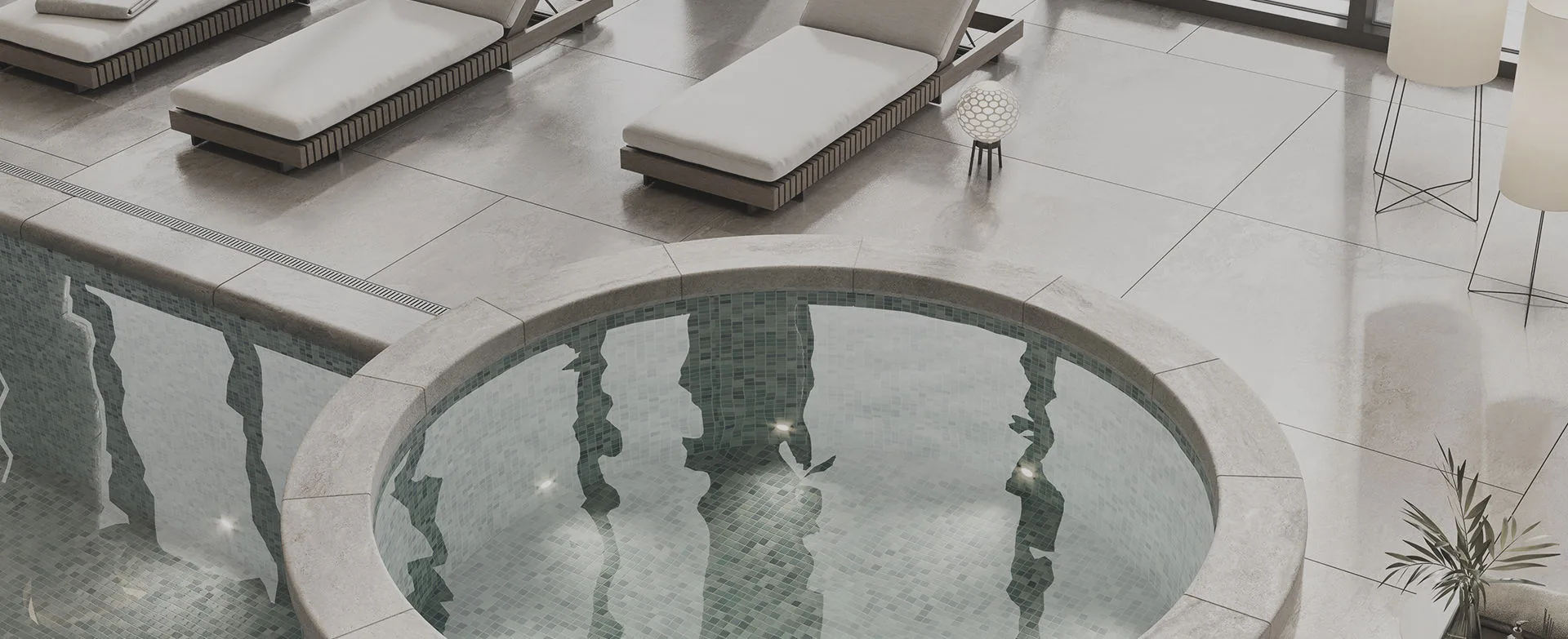
Pool Replastering Santa Clarita & Los Angeles
Restore your pool's surface to like-new condition. Smooth, clean, and durable. from standard plaster to premium pebble finishes.
A Fresh Surface. A Brand New Pool.
Pool replastering removes old, worn plaster and applies a fresh coat to the interior. restoring water clarity, fixing rough surfaces, and stopping slow leaks caused by deteriorating plaster.
Standard White Plaster
The most affordable option. Smooth, clean finish. Lasts 7–10 years with proper chemical maintenance.
Quartz Aggregate
Mid-range option with added durability and texture. More resistant to staining and chemical wear.
Pebble Tec Finish
Premium option lasting 15–20+ years. Textured, resort-quality look in dozens of color combinations.
Exposed Aggregate
Bold texture with natural stone materials. Highly durable and visually striking for modern backyards.
Does Your Pool Need Replastering?
Rough Texture
If the walls and floor feel like sandpaper underfoot, your plaster has worn down and is past its prime.
Stubborn Staining
Stains that won't clear with chemical treatment or acid washing are a sign the plaster is too far gone to restore.
Chalky Residue
White chalky deposits on your skin after swimming indicate the plaster is leaching calcium into the water.
Cracks or Chipping
Visible cracks around steps, walls, or the floor can allow water to escape and worsen quickly if ignored.
Why Choose GK Swimming Pools
Free Assessment
We inspect your plaster in person and give you an honest recommendation. replaster, acid wash, or repair.
All Finishes Available
We work with standard plaster, quartz, pebble, and aggregate. You pick the look, we handle the installation.
Full Startup Included
After the pool is refilled, we handle the chemical startup process from day one so you don't have to.
Financing Available
Third-party financing available so budget doesn't hold you back from the finish you really want.
Pool Replastering FAQs
How long does pool replastering take?
Pool replastering typically takes 5 to 7 days from draining to refill, depending on pool size and the finish selected. The prep and application usually take 1 to 2 days, followed by a curing period before the pool can be refilled. After refilling, we handle the chemical startup process to get the water balanced and safe for swimming.
How do I know if my pool needs replastering?
Signs your pool needs replastering include a rough texture on the walls that scratches swimmers feet, visible cracks or chips in the surface, staining that will not come out with chemical treatment or acid washing, and water loss that is not explained by evaporation or a known equipment leak. If you are unsure, we offer free assessments.
How much does pool replastering cost?
Pool replastering typically ranges from $5,000 to $12,000 depending on pool size and finish type. Standard white plaster is the most affordable option. Pebble, quartz, and exposed aggregate finishes cost more upfront but last significantly longer and have a more premium look. We provide a free on-site assessment and quote with no obligation.
How long does new plaster last?
Standard white plaster lasts 10 to 15 years with proper water chemistry and regular maintenance. Pebble and quartz finishes can last 20 years or more. How long your plaster holds up depends heavily on keeping your water consistently balanced. Acidic or highly alkaline water speeds up deterioration significantly.
Can I swim right after replastering?
Not immediately. After the pool is refilled, the water needs to be chemically balanced over several days before it is safe to swim in. We handle the entire startup process, including brushing the new plaster and adjusting chemistry daily during the curing period, so you do not have to worry about it.
Is an acid wash enough or do I need to replaster?
An acid wash removes surface stains and calcium buildup but does not fix structural issues or replace worn plaster. If your plaster is thin, cracking throughout, or feels rough in large areas, replastering is the smarter investment. We inspect your pool and give you an honest recommendation on which option makes sense for your situation.
Do you handle the full replastering job or do you subcontract it?
We coordinate replastering projects directly and work with a trusted network of experienced plasterers we have worked with for years. You deal with GK Swimming Pools from start to finish. We stay on the job and make sure everything is done to our standard before we sign off.
Can you remodel an existing pool?
Yes. Most existing pools can be remodeled, whether that means replastering, retiling, updating the shape or features, or addressing structural issues. The scope depends on the current condition of the pool, but a full remodel is almost always possible short of a pool that needs to be replaced entirely.
What are common swimming pool renovations?
The most common renovations are replastering, tile replacement, adding or updating water features, resurfacing, and upgrading equipment like pumps and heaters to more efficient models. Some renovations also involve reshaping or expanding the pool itself.
Is it cheaper to remodel a pool or build a new one?
Remodeling an existing pool is almost always less involved than building a new one, since the excavation, plumbing, and structural work are already in place. A new pool build starts from scratch, which typically means significantly more time and work. The right choice depends on the condition of your current pool and what you're trying to achieve.
What are some ideas for renovating my pool?
Popular directions include textured pebble finishes instead of standard plaster, glass or natural stone tile accents along the waterline, updated lighting, and added features like tanning ledges or spas. Color changes to plaster and tile are also a simple way to modernize a pool's look without a full structural renovation.
What time of year is best to resurface a pool?
Fall and winter are typically the best times to resurface, since the pool needs to be drained and out of use during the work, and demand for pool use is lower during those months. It also means the pool is ready to go once swimming season starts back up.
What to do with an inground pool you don't want anymore?
Homeowners generally have two options: fully remove the pool and restore the yard, or fill it in partially, which is less expensive but comes with limitations on what can be built over it later. A professional can walk through both options and what each involves for your specific yard.
What is the average lifespan of a pool?
A well-built and properly maintained inground pool typically lasts 20 to 30 years before major components need significant renovation. Plaster, tile, and equipment often need attention well before the pool itself needs to be replaced entirely.
Does homeowners insurance cover pool renovations?
Generally not for routine renovations or upgrades. Coverage depends on your specific policy and typically only applies if the damage stems from a covered event. Checking your policy directly is the only reliable way to know what's included.
What is the difference between resurfacing and replastering a pool?
The terms are often used interchangeably, but replastering specifically refers to redoing the plaster surface (the smooth or pebble-finish interior coating). Resurfacing is the broader term and can include replastering along with other surface work like tile and coping. In practice, a resurface job often includes replastering as its main component.
What is the longest lasting pool resurfacing?
Pebble aggregate finishes (like Pebble Tec) generally last the longest among common resurfacing options, often outperforming standard plaster by several years, thanks to the embedded stone surface resisting wear better than smooth plaster. Quartz aggregate finishes are also known for strong durability. Standard plaster is the most affordable option but typically needs replacing sooner than textured finishes.
How many times can a pool be resurfaced?
There's no fixed number. It depends on the condition of the underlying pool shell each time. Every resurfacing job removes a small amount of the shell's substrate during prep, so a pool that's been resurfaced multiple times over many decades may eventually need structural evaluation before another surface job. Most pools can be resurfaced several times over their lifespan without issue.
Ready to Replaster Your Pool?
Free on-site assessment. No obligation. Serving Santa Clarita and the San Fernando Valley.
Get My Free EstimateContact Us
We offer free consultations to answer any questions you may have regarding pool maintenance, repairs, scheduling, and pricing. Fill out the form or give us a call to get started.
Santa Clarita · San Fernando Valley · Encino · Granada Hills · Burbank · Glendale · Calabasas · Woodland Hills · and more