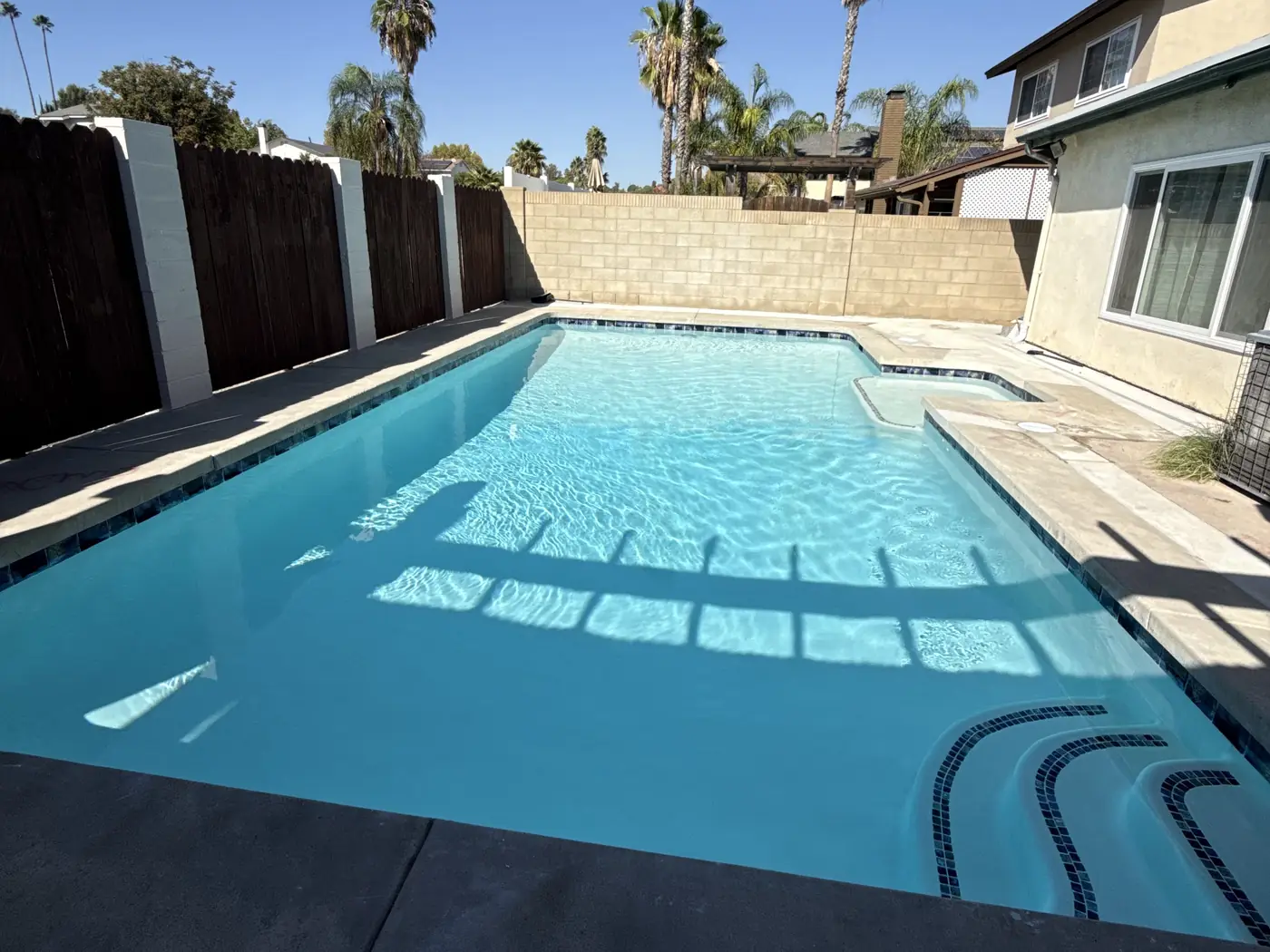
If you're weighing whether to invest in your pool, or just curious how it factors into your home's overall value, this is one of the most common questions homeowners ask. The honest answer is that it depends, but there are clear patterns worth understanding before you make a decision either way.
Pools and Home Value: It Depends on Your Market
A well-maintained pool can be a genuine asset, especially in warm-climate regions where outdoor living space is part of what buyers expect. In Southern California, including the San Fernando Valley and Santa Clarita area, a pool is often seen as a standard feature rather than a luxury add-on, which means a well-kept one tends to support a home's value rather than detract from it.
That said, the value a pool adds isn't automatic. A few factors determine whether it's a net positive:
Condition Matters Most
A clean, modern, well-maintained pool reads as an asset. A cracked, outdated, or neglected one can actually work against a sale, since buyers factor in the cost and hassle of bringing it back up to standard.
Local Climate and Buyer Expectations
In warm climates where pools are common, buyers often expect one and may be put off by a home without a pool in the right neighborhood. In cooler climates or areas where pools are less typical, buyer interest in a pool varies more, and it may not move the needle on value the same way.
Style and Features
A pool that looks dated, both in its finish and its surrounding landscaping, tends to feel more like a project than a perk to a buyer evaluating the home.
Can You Write Off a Pool on Your Taxes?
This comes up often, and the short answer is generally no. A residential pool isn't tax deductible for most homeowners. The main exception is when a pool is installed for a documented medical necessity, and even then, the rules around what qualifies and how much can be deducted are specific and limited.
This isn't tax advice, and anyone considering this route should talk to a tax professional about their specific situation before assuming any deduction applies.
Does a Pool Make a House Harder to Sell?
This is really a question about how many buyers are looking, not about pool ownership itself. In markets where pools are expected, like much of Southern California, a well-maintained pool generally doesn't make a home harder to sell, and can even be a selling point. In regions where pools are less common or where buyers are more cautious about the added maintenance and liability, a pool can occasionally narrow the group of interested buyers.
The bigger risk isn't the presence of a pool. It's a pool in poor condition. An outdated or neglected pool is far more likely to turn away buyers than a pool itself ever would.
Upkeep Matters More Than Any Single Feature
A pool's effect on home value comes down to upkeep more than anything else. If you're planning to sell in the near future, or just want your pool to be an asset rather than a liability, keeping it well maintained and visually current matters more than any single feature choice.
If your pool needs attention before it goes on the market, or you're just making sure it stays in shape long-term, GK Swimming Pools handles maintenance, repairs, and remodeling throughout the San Fernando Valley and Santa Clarita area. We can help you figure out what, if anything, your pool needs to make the best impression.